
No products in the cart.
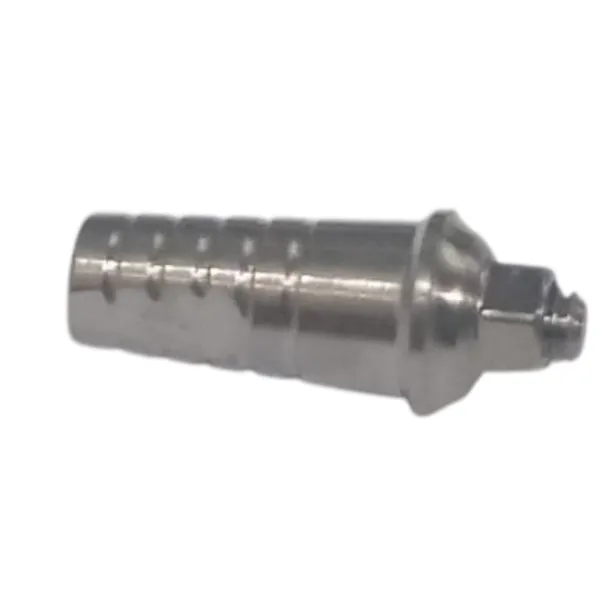
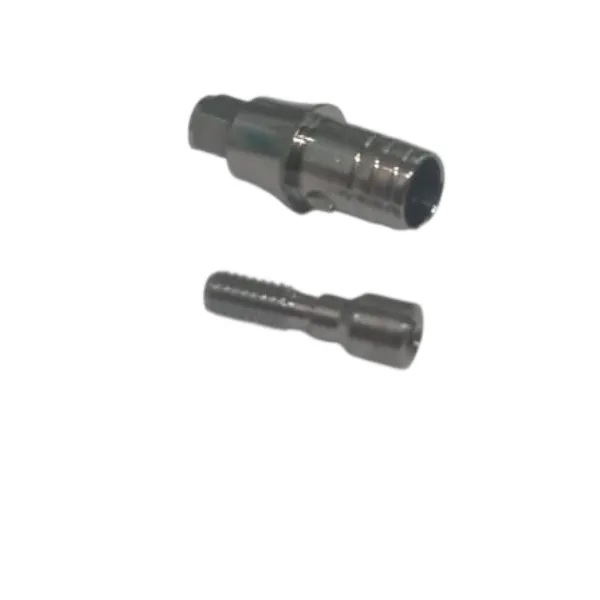
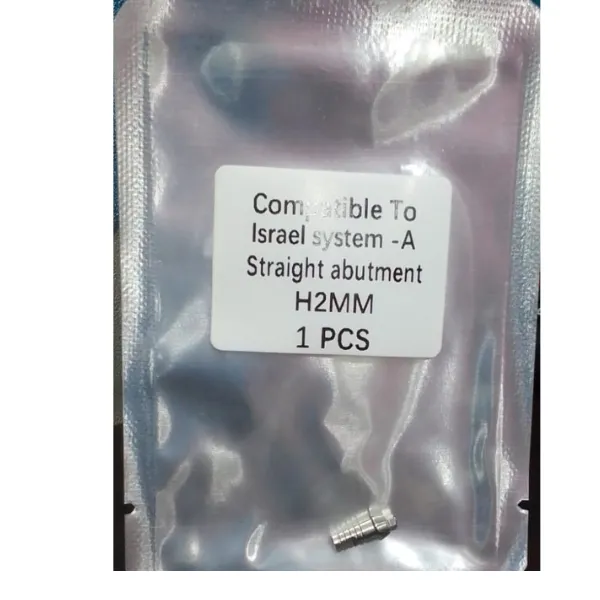
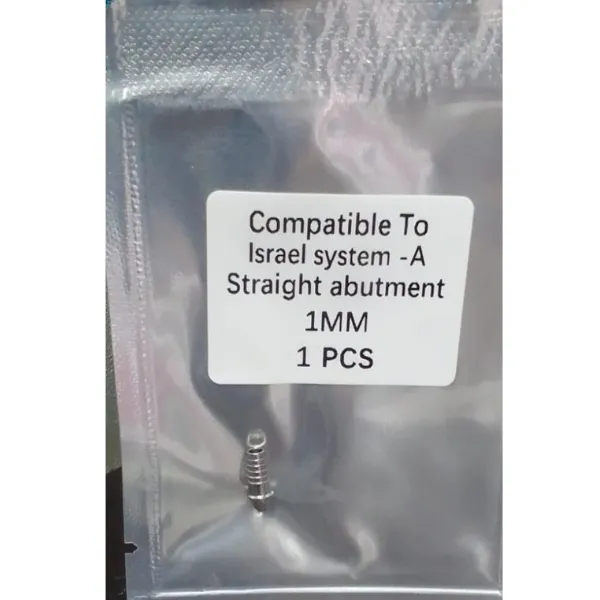
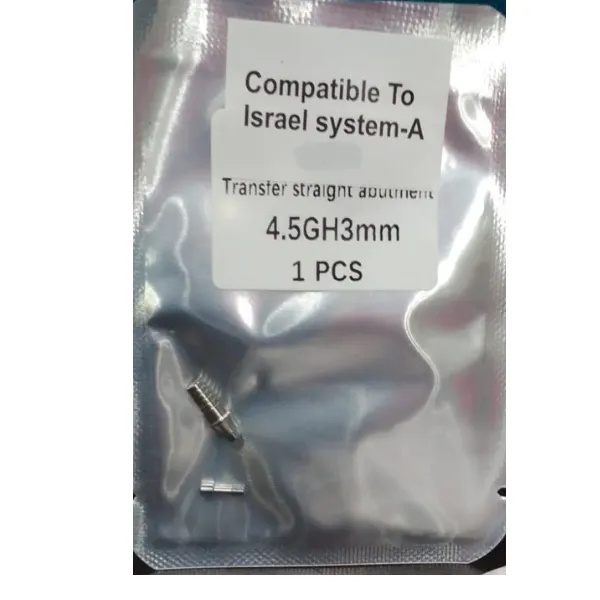
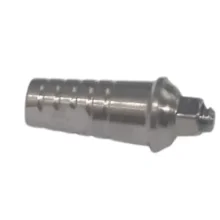
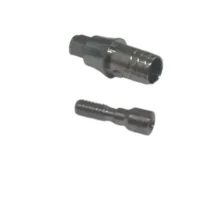
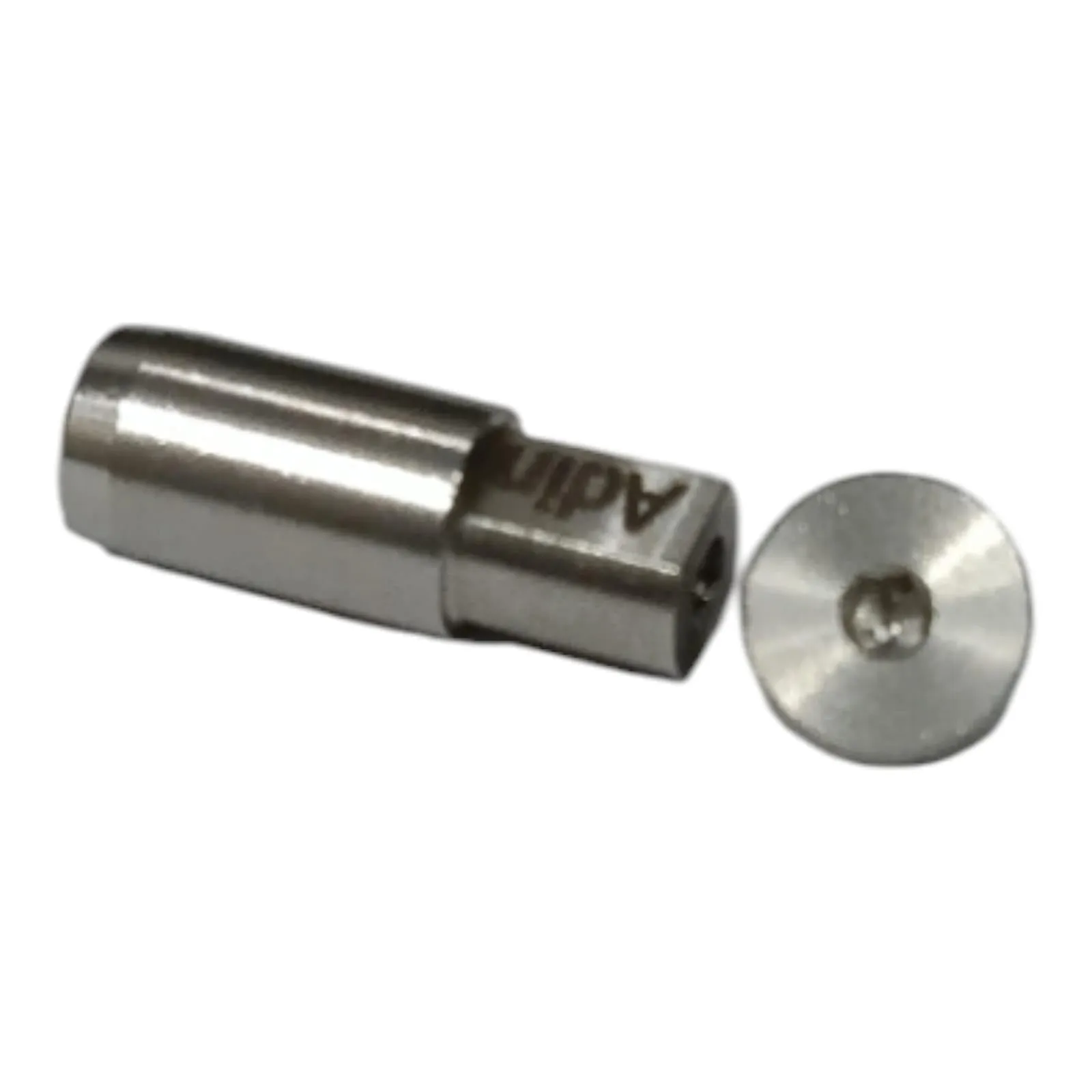
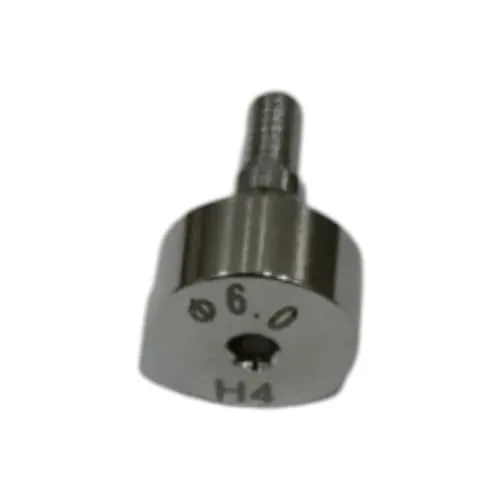
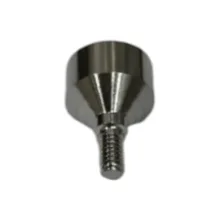
A Straight Abutment‑R is a dental implant component used to connect a dental implant fixture (placed in the bone) with the prosthetic crown, bridge, or denture placed on top.
1. What “Straight Abutment-R” Means
Straight – The abutment is aligned in a 0° angle with the implant. It does not tilt or correct angulation.
R – Often indicates “Regular platform” (depends on the implant system) meaning it fits implants with a regular diameter connection.
2. Main Function
The abutment acts as a connector or support structure between:
Implant fixture (inside the jawbone)
Prosthetic restoration (crown, bridge, or denture)
3. When It Is Used
Dentists choose a straight abutment when:
The implant is placed perfectly vertical
There is good alignment with adjacent teeth
Minimal angulation correction is needed
4. Materials
Straight abutments are usually made from:
Titanium – strong, biocompatible, commonly used
Zirconia – tooth-colored, used in aesthetic areas
5. Parts / Structure
A straight abutment typically includes:
Connection base – fits into the implant fixture
Abutment body – supports the crown
Screw channel – allows the abutment screw to secure it
6. Advantages
Simple design
Strong mechanical support
Easy crown placement
Good load distribution on the implant
7. Difference from Angled Abutment
| Feature | Straight Abutment | Angled Abutment |
|---|---|---|
| Angle | 0° | Usually 15°–30° |
| Use | Proper implant alignment | Correct implant angulation |
| Complexity | Simple | More complex |
8. Common Use in Implant Systems
Straight abutments are commonly used with implant systems from companies like:
Nobel Biocare
Straumann
Zimmer Biomet

Reviews
There are no reviews yet.