No products in the cart.
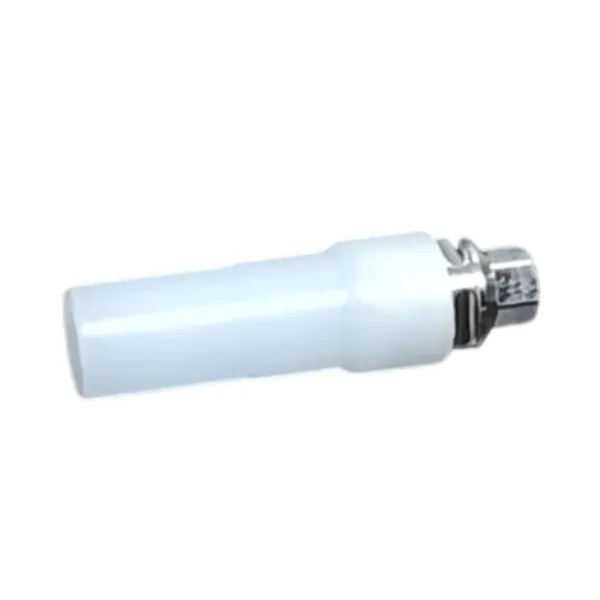
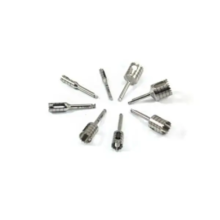
A castable abutment is a dental implant component used to create a custom abutment for an implant-supported crown or bridge.
A castable abutment is a plastic or wax-pattern abutment attached to a metal base (implant interface) that can be shaped and then cast in metal in a dental laboratory to produce a custom-made abutment.
Main parts
Plastic burnout sleeve / pattern – can be shaped to the desired form.
Metal base (UCLA base) – connects precisely to the implant.
Screw channel – allows fixation to the implant with a screw.
How it is used (step-by-step)
The castable abutment is placed on the implant analog in the working model.
The plastic sleeve is shaped in wax to the ideal crown preparation form.
The pattern is invested and cast in metal (lost wax casting technique).
The finished metal abutment is polished and tried in the mouth.
The crown is fabricated over the custom abutment.
Advantages
Allows custom angulation and shape
Good for implants with non-ideal positions
Better emergence profile for esthetics
Useful in limited inter-occlusal space
Disadvantages
More lab steps
Risk of casting distortion if not done properly
Requires high technical accuracy
Common indications
Tilted implants
Anterior esthetic zone
Limited restorative space
When stock abutments don’t fit properly
Reviews
There are no reviews yet.