No products in the cart.
Need help? Call us:
022-68210721
Up to 51%
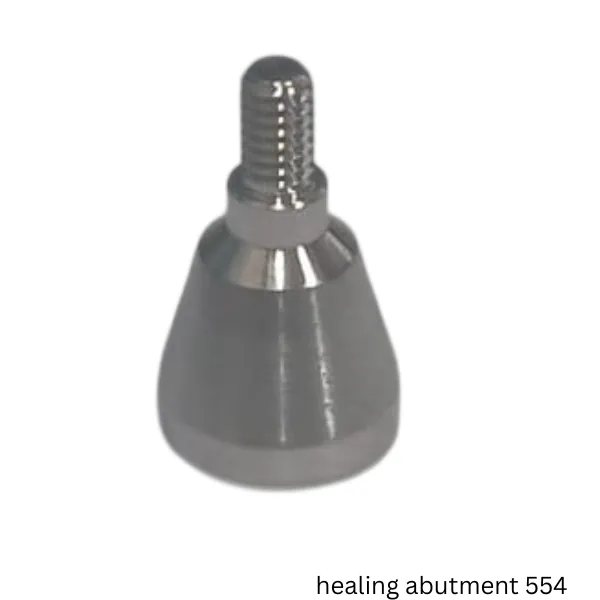
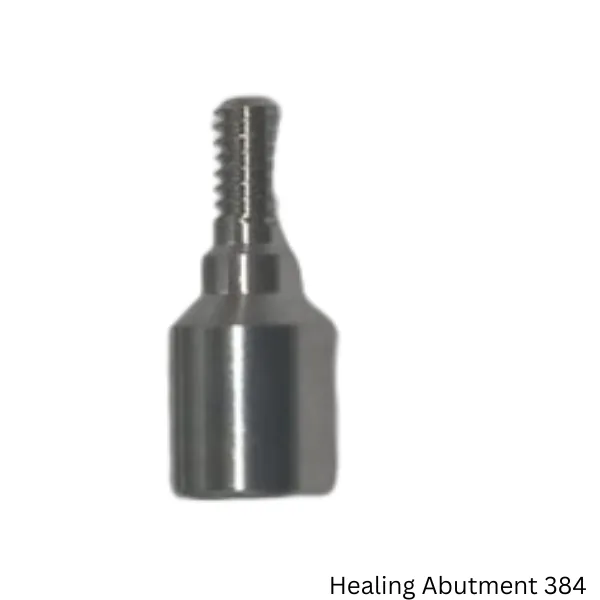
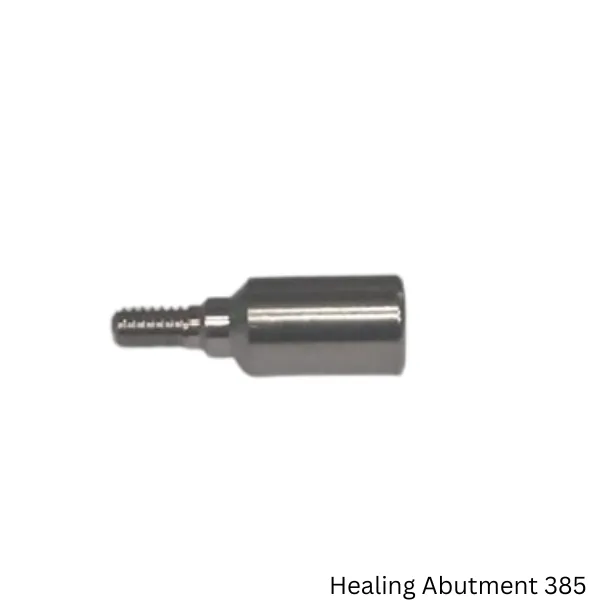
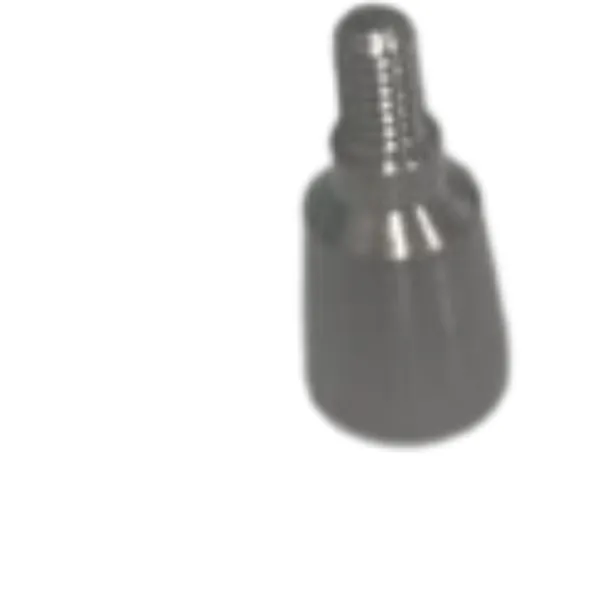
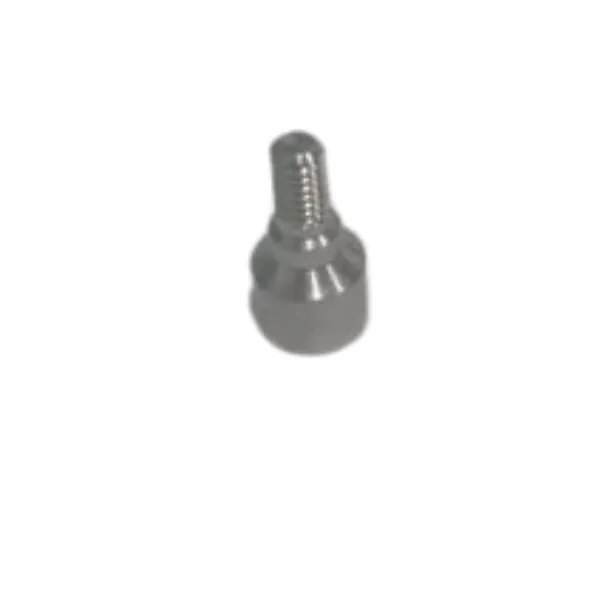
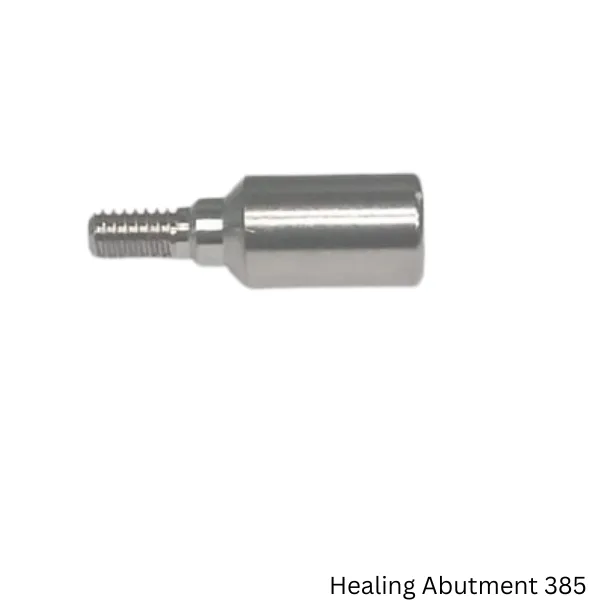
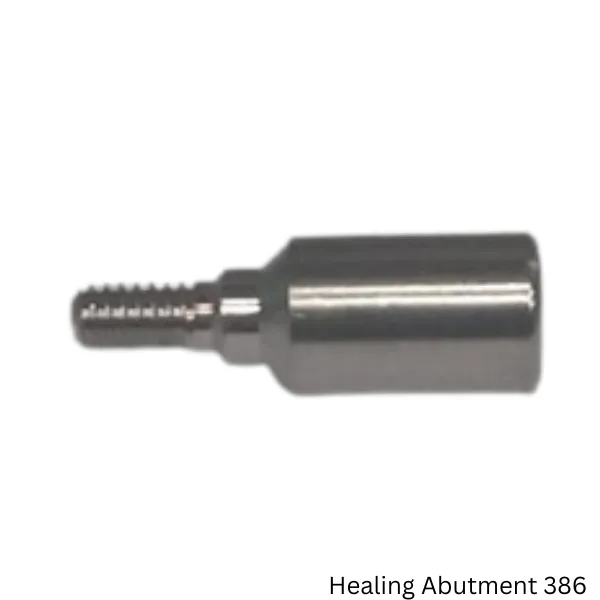
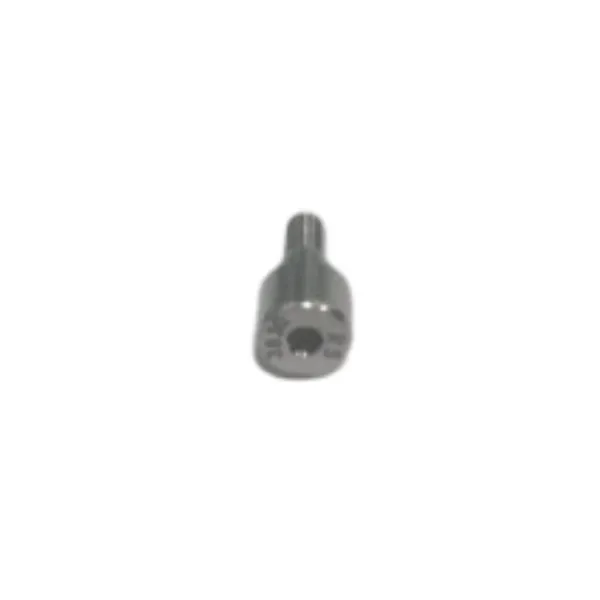
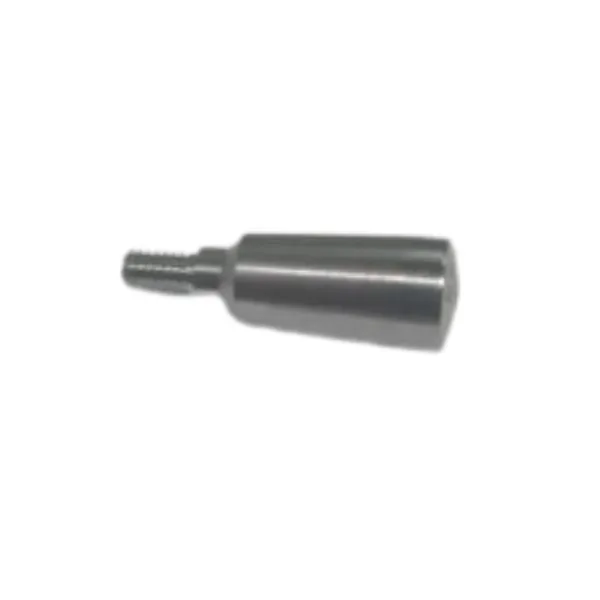
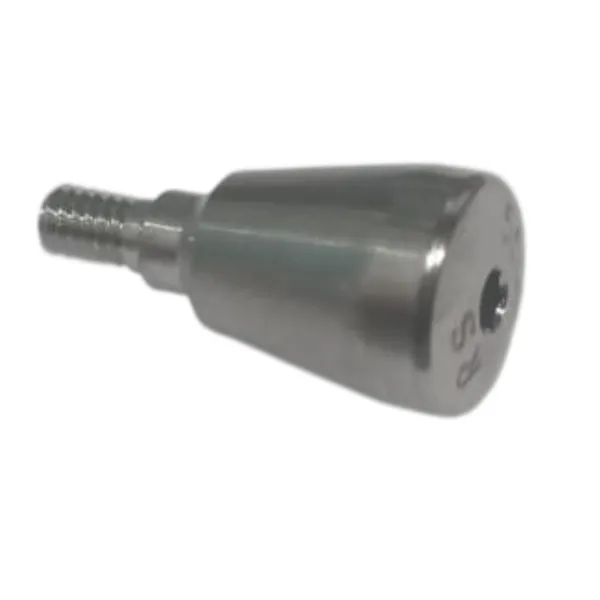
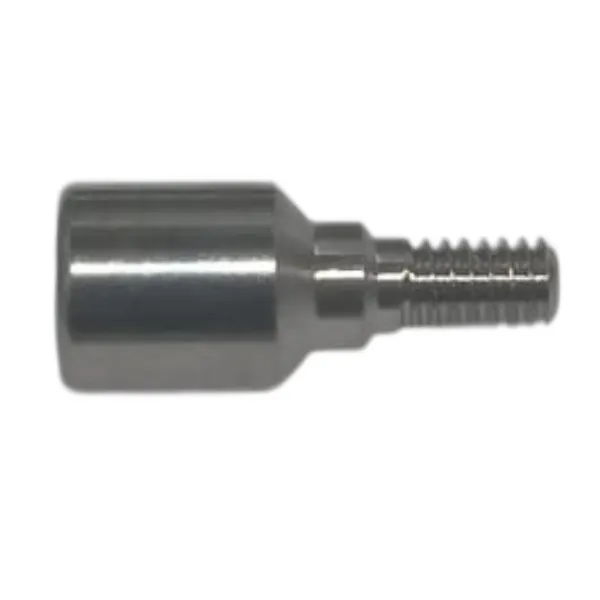
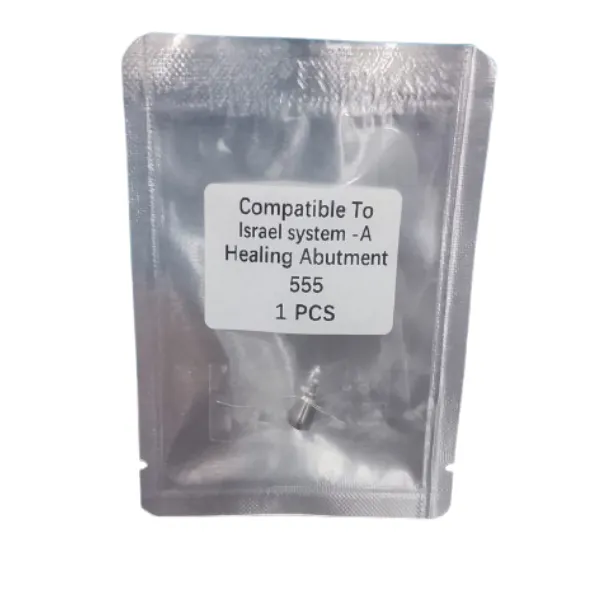
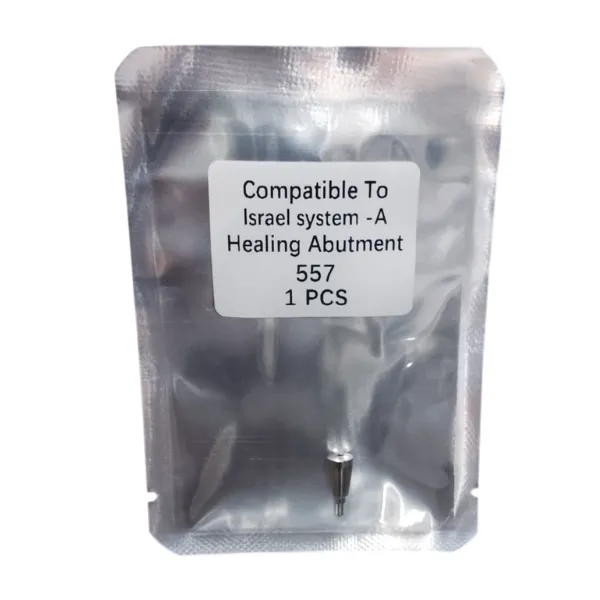
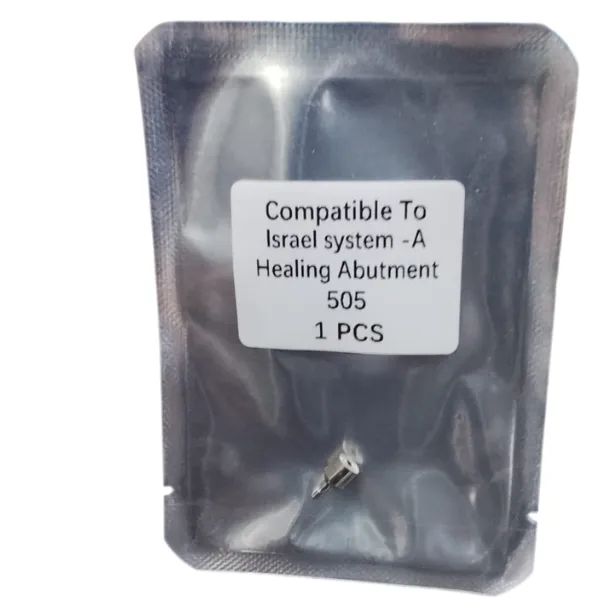
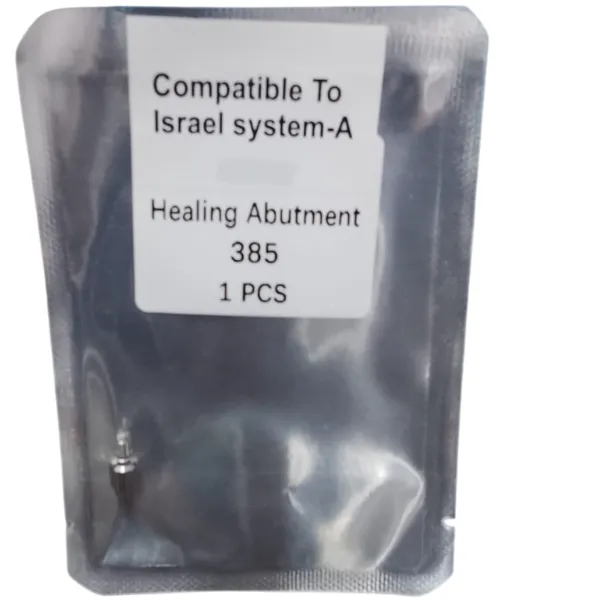
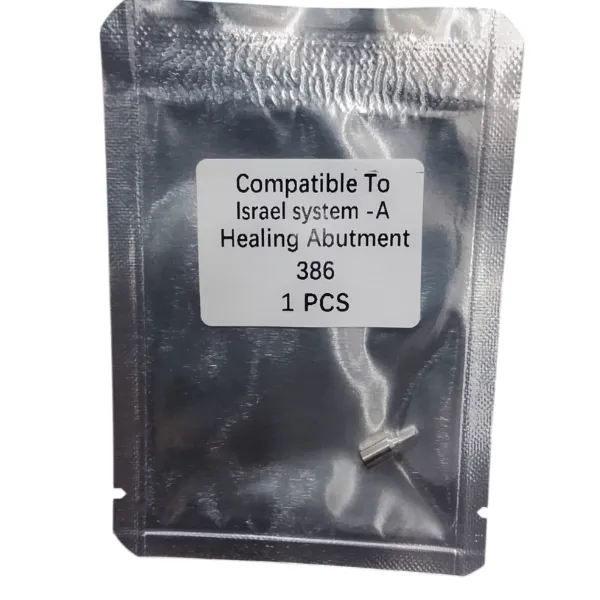
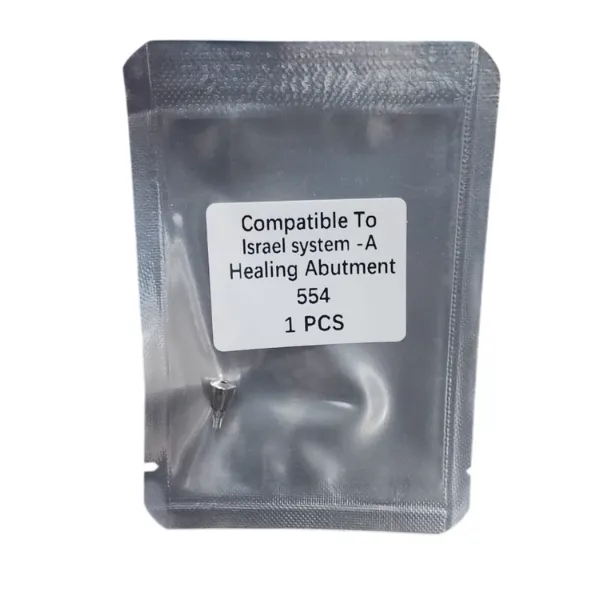
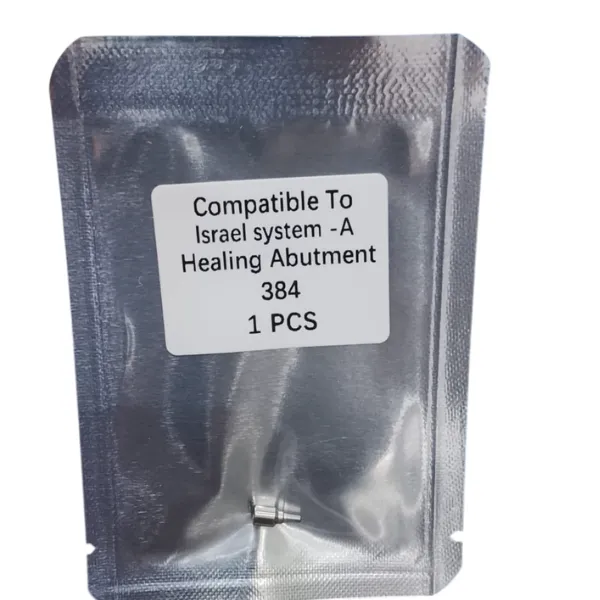
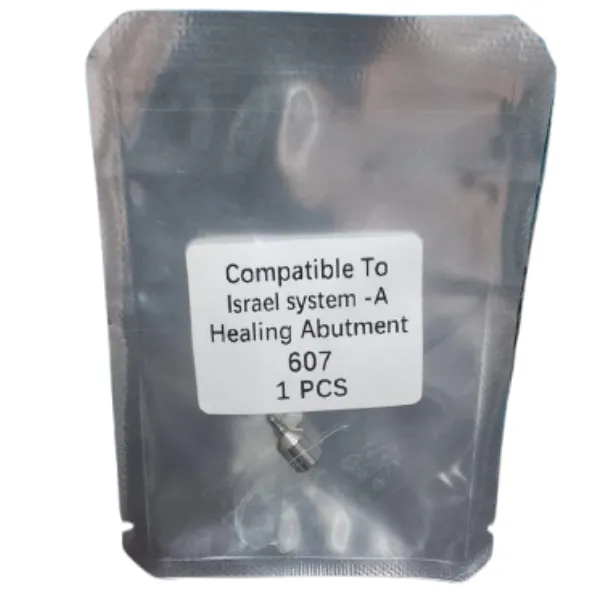
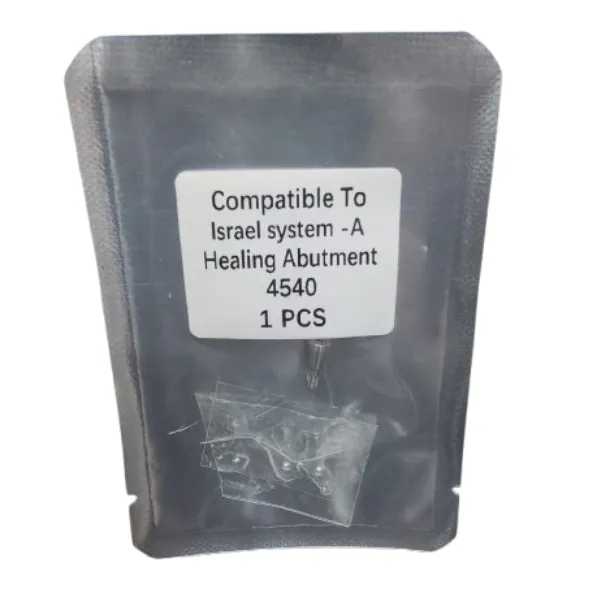
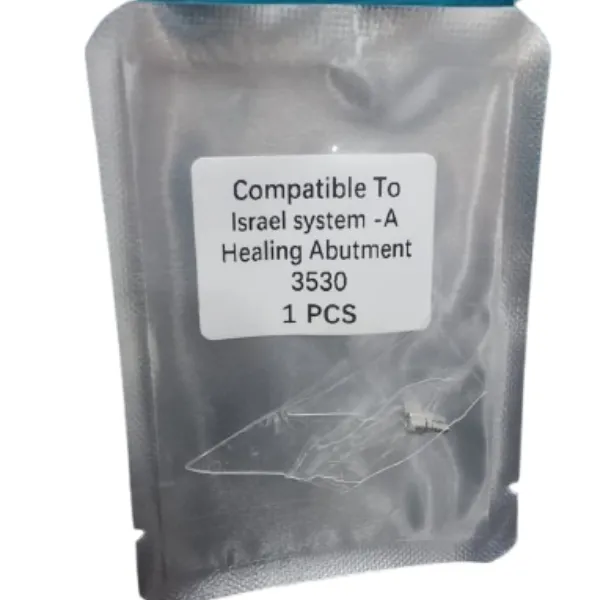
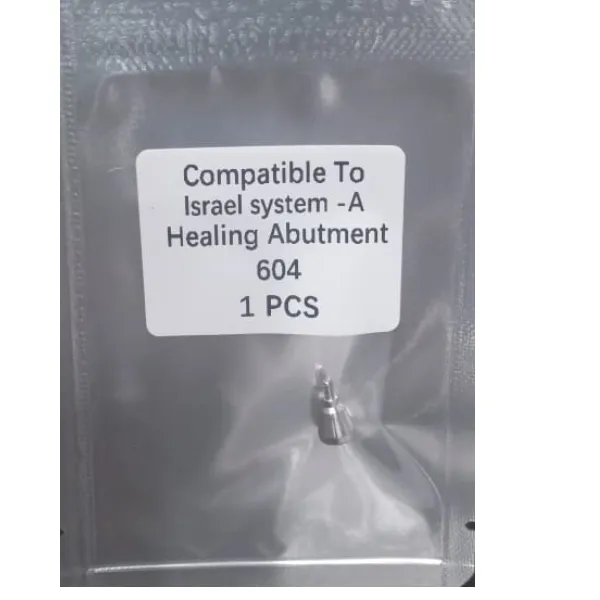
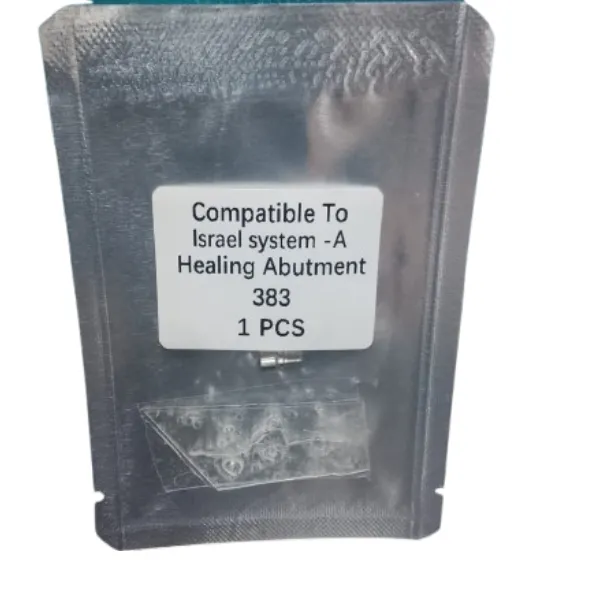
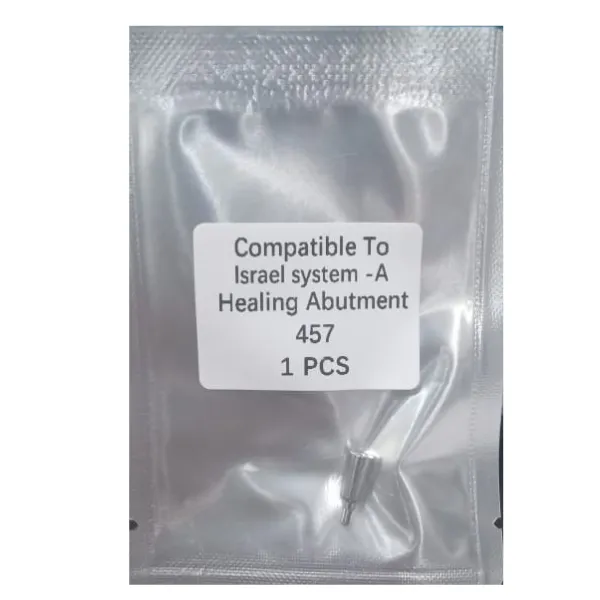
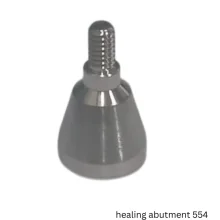
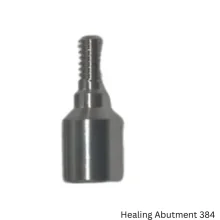
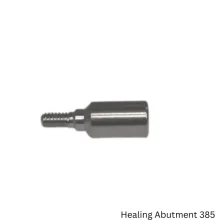
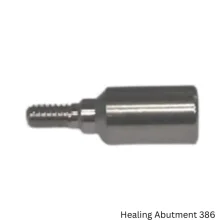
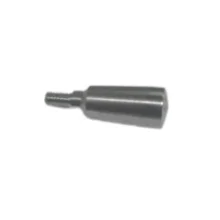
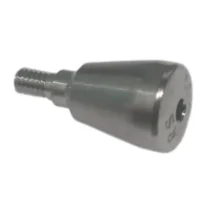
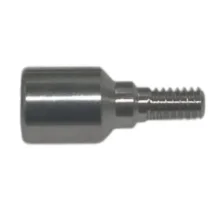
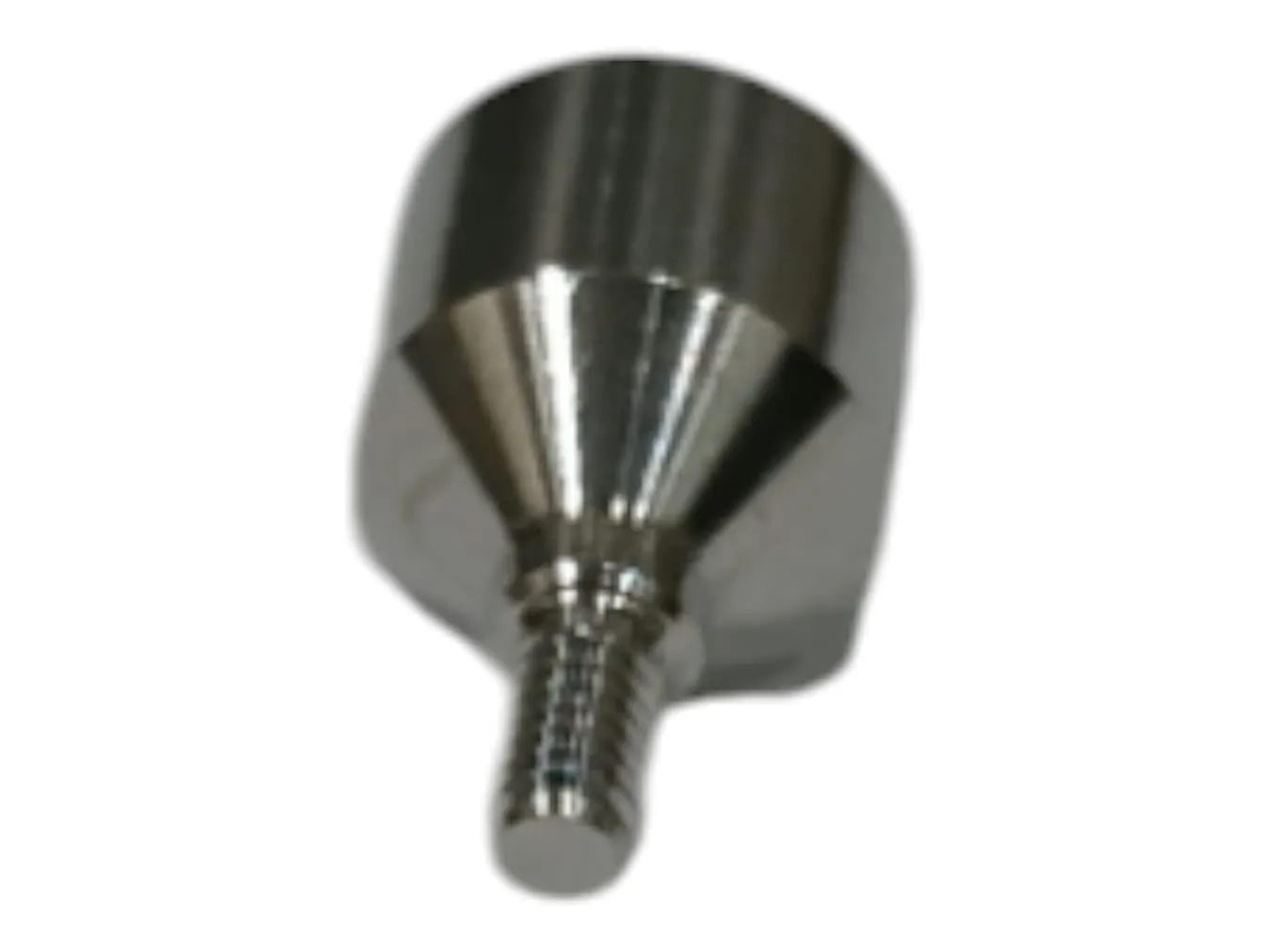
Healing abutment-R Compatible to Israeli system(Adin)
₹450.00 Original price was: ₹450.00.₹220.00Current price is: ₹220.00.
Out of stock
- Promotes proper soft tissue contour.
- Reduces need for additional soft-tissue shaping procedures.
- Protects the implant connection during healing.
- Simplifies the prosthetic stage.
A Healing Abutment is a temporary component used in dental implant treatment after the implant fixture has been placed into the bone. It helps shape and maintain the gum tissue so that a proper emergence profile is formed before placing the final prosthetic crown.Below is a more descriptive format that can be used for notes, case records, or academic purposes.Healing Abutment – Detailed DescriptionA healing abutment is a small, screw-retained component attached to the top of a dental implant after implant placement or during second-stage surgery. It extends through the gingiva and allows the surrounding soft tissue to heal in a natural contour around the implant site.Maintains the opening in the gingiva after implant surgery.Shapes the peri-implant soft tissueto create an ideal emergence profile.Protects the internal connection of the implant fixture from debris and bacteria.Allows proper healing of gingival tissue before final prosthesis placement.
Material
Healing abutments are commonly manufactured from:Titanium or titanium alloy(most common)
Stainless steel
PEEK (polyether ether ketone) in some systems
Design Features
Cylindrical or slightly tapered shape
Smooth surface to allow soft tissue healing
Available in different diameters and heightsto match gingival thickness
Internal screw mechanism to attach securely to the implant
Purpose / Functions
Clinical Procedure
Implant fixture is placed in the alveolar bone.
After osseointegration or during stage-two surgery, the cover screw is removed.
The healing abutment is placed and tightened into the implant.
Gingival tissue heals around the abutment for about 7–14 days(or longer depending on the case).
Once healing is complete, the healing abutment is removed and replaced with the final prosthetic abutment and crown.
| Weight | N/A |
|---|---|
| Dimensions | N/A |
| Healing Abutment -R | (D-3.8,H-3), (D-3.8,H-4), (D-3.8,H-5), (D-3.8,H-6), (D-3.5,H-3), (D-4.5,H-6), (D-4.5,H-5), (D-4.5,H-7), (D-4.5,H-4), (D-5,H-5), (D-5.5,H-4), (D-5.5,H-4), (D-5.5,H-7), (D-5.5,H-5), (D-6,H-4), (D-6,H-7) |
Be the first to review “Healing abutment-R Compatible to Israeli system(Adin)” Cancel reply
Related products
Sale! 50%
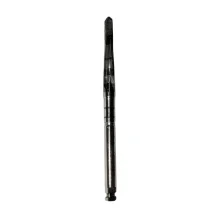
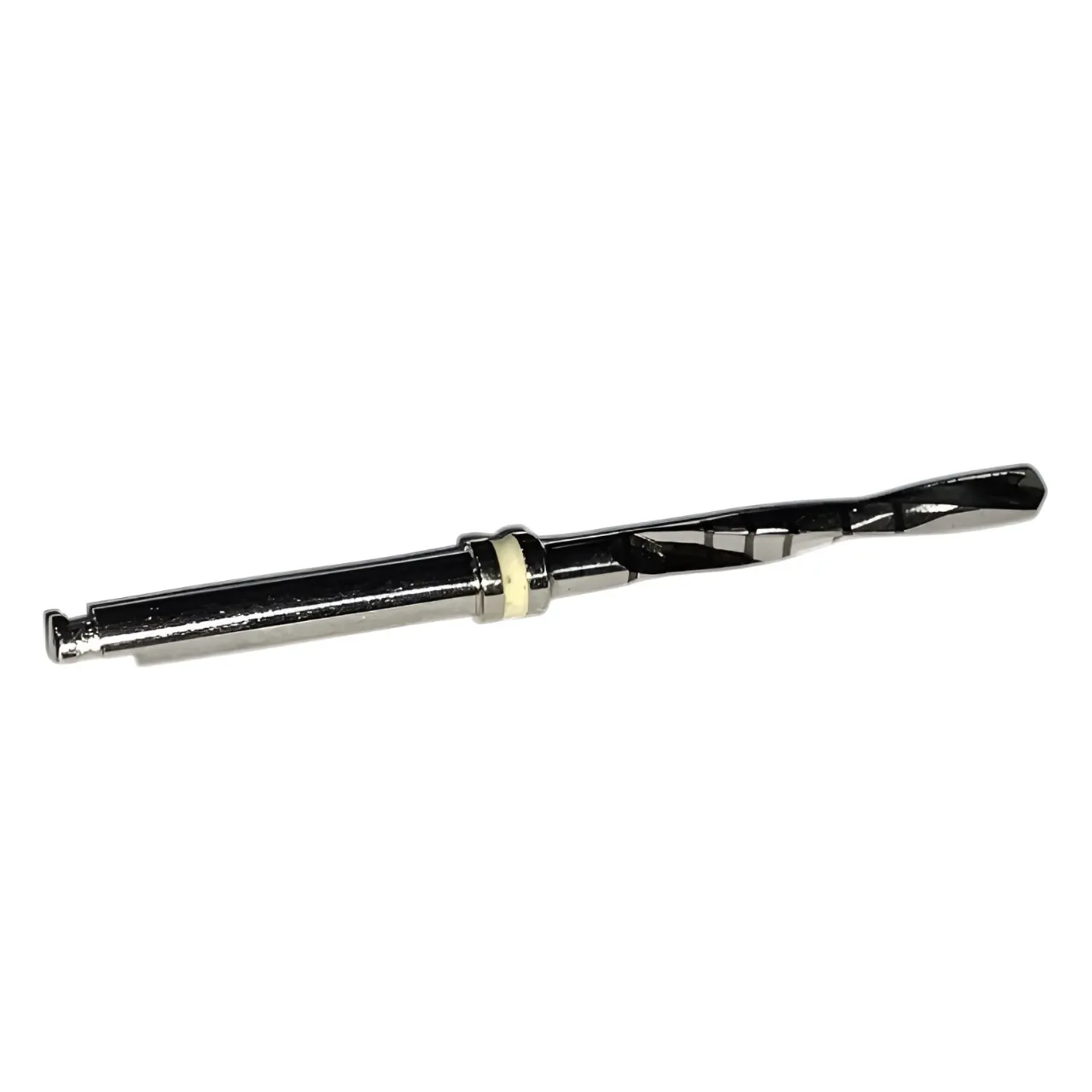
Condensing Drill (2.0mm)
Sale! 50%
Out of stock
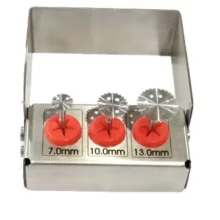
Implant Saw Disc Bur
Sale! 50%
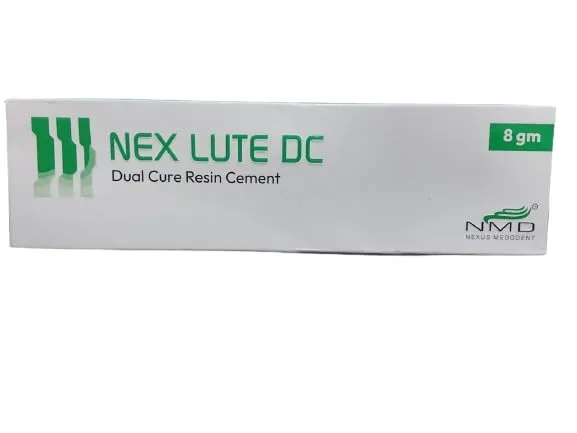
Dental NEX Lute DC (Dual Cure Resin cement)
Sale! 50%
Out of stock
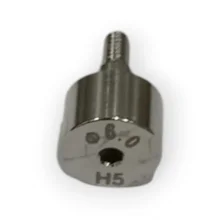
Healing Abutment Dia: 6mm,Ht: 4mm Implant Prosthesis-Compatible with Israel System(Adin)
Sale! 50%
Reviews
There are no reviews yet.