Multi-Unit Angled Abutment
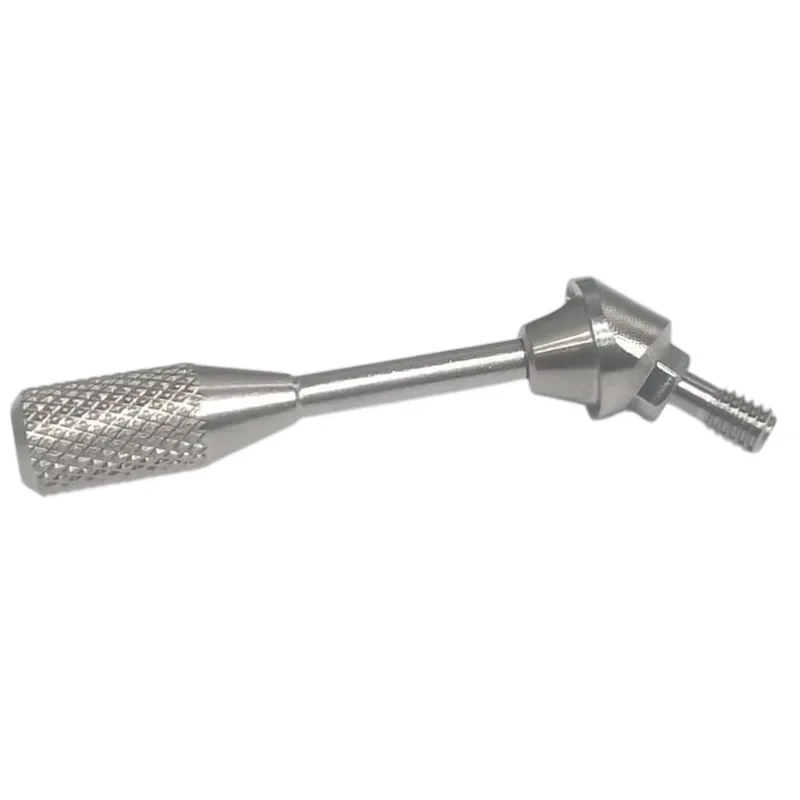
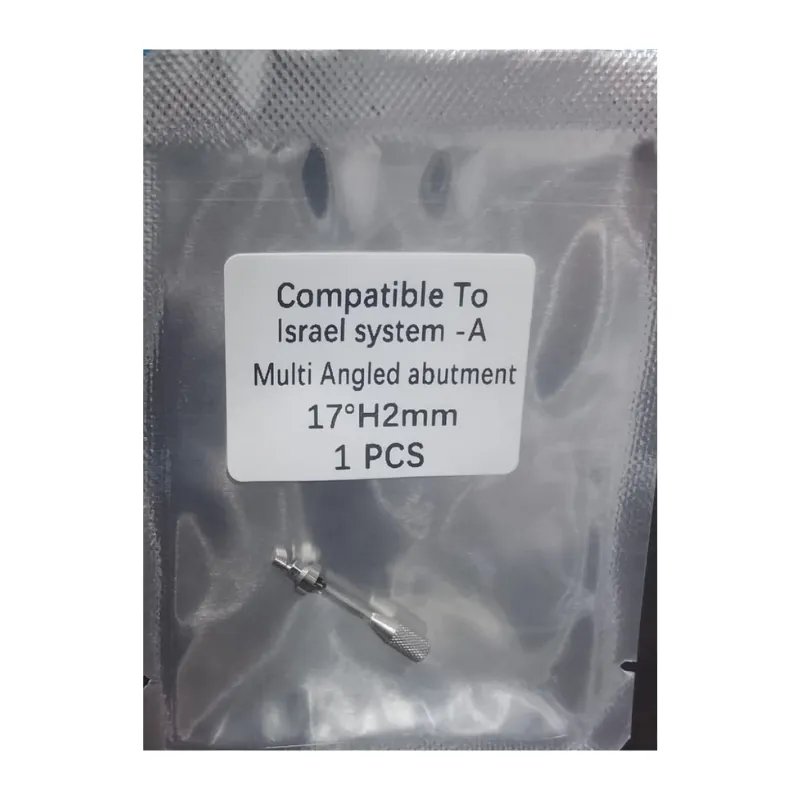
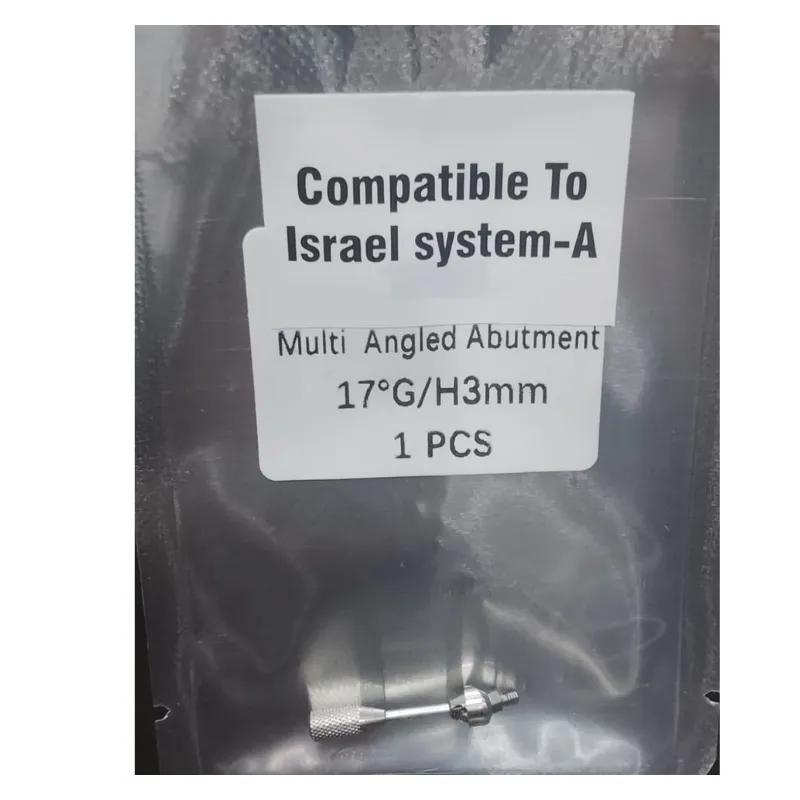
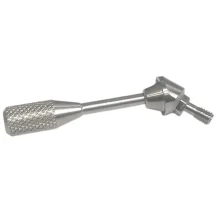
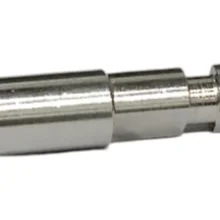
A Multi-Unit Angled Abutment (MUAA) is a dental implant component used in prosthodontics, specifically for full-arch or multi-implant restorations. Here’s a detailed explanation:
Purpose
- Designed to correct implant angulation issues.
- Helps ensure that the prosthetic restoration (bridge or denture) is parallel to adjacent implants for proper seating.
- Commonly used when implants are placed at angles due to anatomical limitations (like the maxillary sinus or mandibular nerve).
Key Features
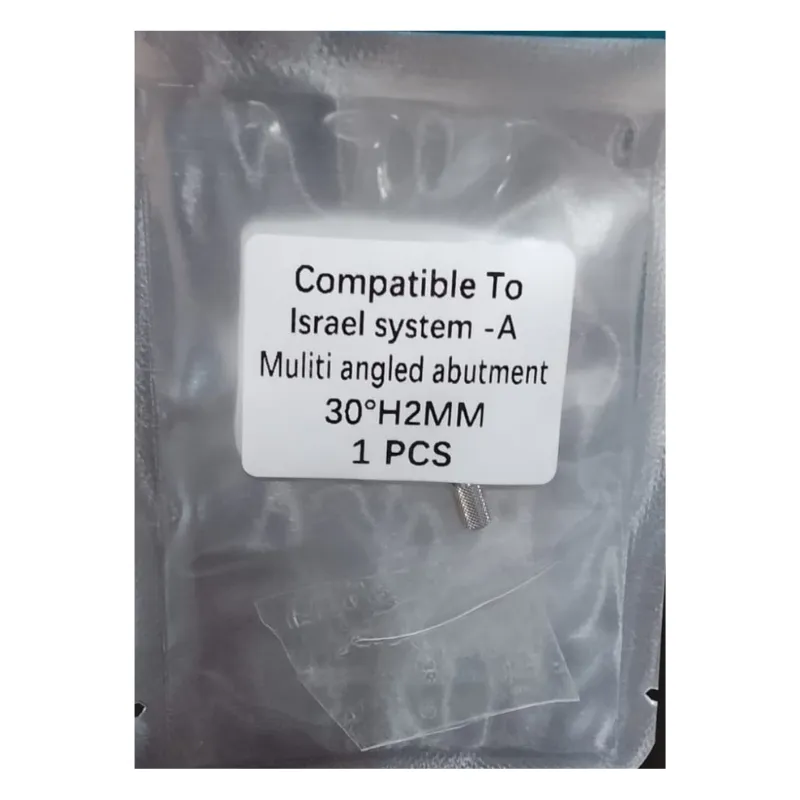
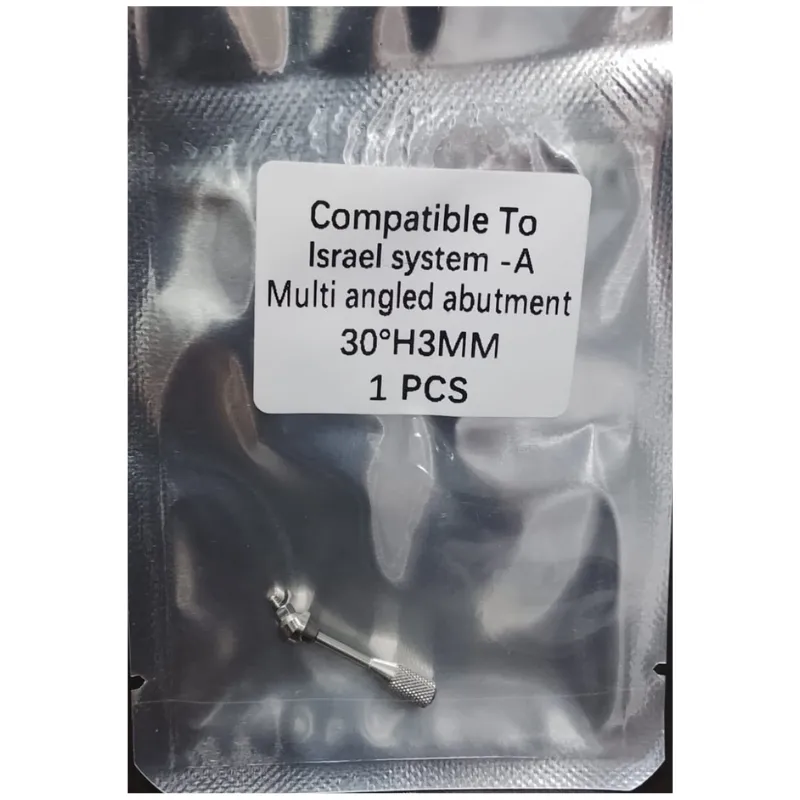
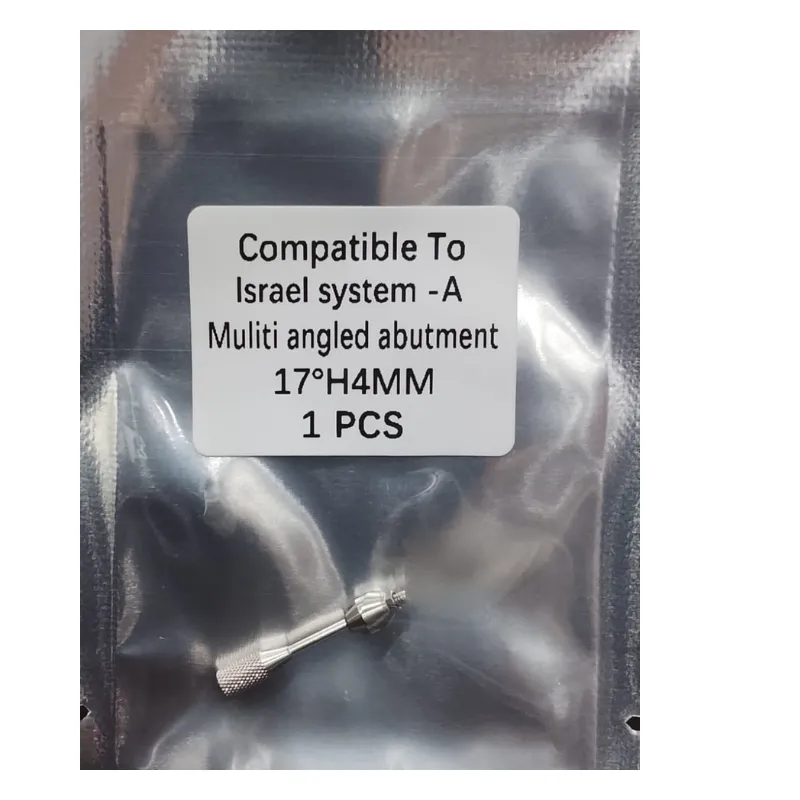
- Angulation Options: Typically available in 17°, 30°, or other angles to compensate for off-axis implants.
- Multi-Unit: Allows connection of multiple implants in one prosthetic framework.
- Platform-Switching: Helps maintain soft tissue health around the implant.
- Material: Usually titanium or titanium alloy for strength and biocompatibility.
- Connection Type: Often uses an internal or external connection compatible with specific implant systems.
Clinical Benefits
- Simplifies prosthetic procedures by aligning restorative components.
- Improves load distribution across implants.
- Facilitates screw-retained restorations, reducing the need for cemented solutions.
- Allows immediate loading in certain full-arch protocols like the All-on-4 technique.
Usage
- Placement: After implant osseointegration or immediately post-placement.
- Attachment: Screwed onto the implant body.
- Impression Taking: Abutment serves as a reference for the prosthetic framework.
- Prosthetic Connection: The final bridge or denture is attached to the abutments.

Reviews
There are no reviews yet.