
No products in the cart.
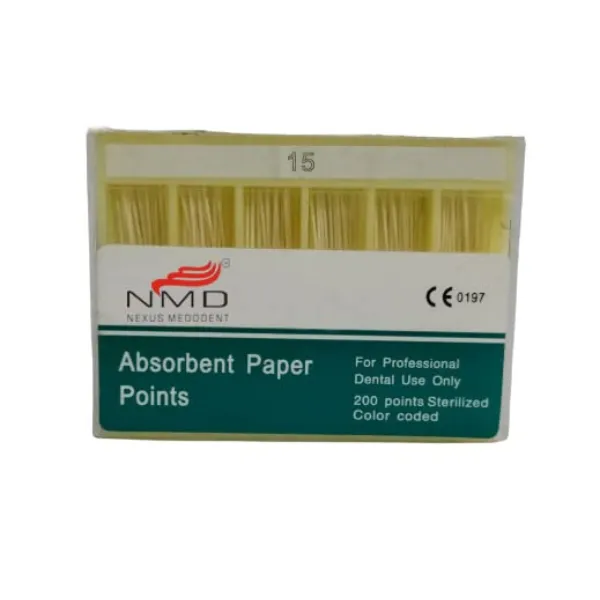
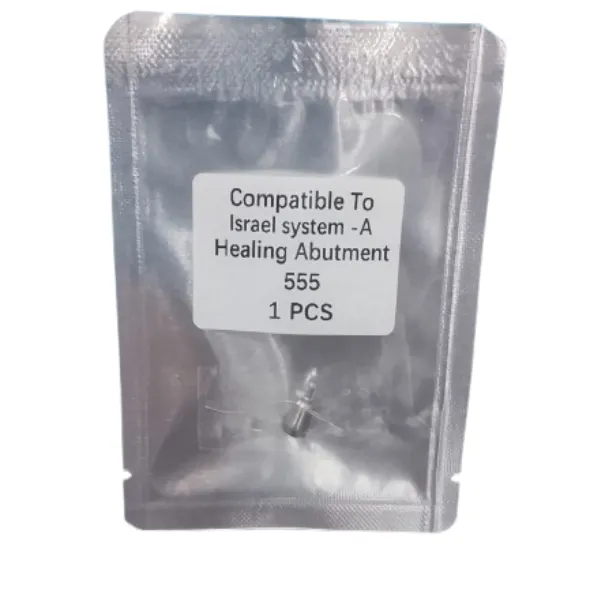
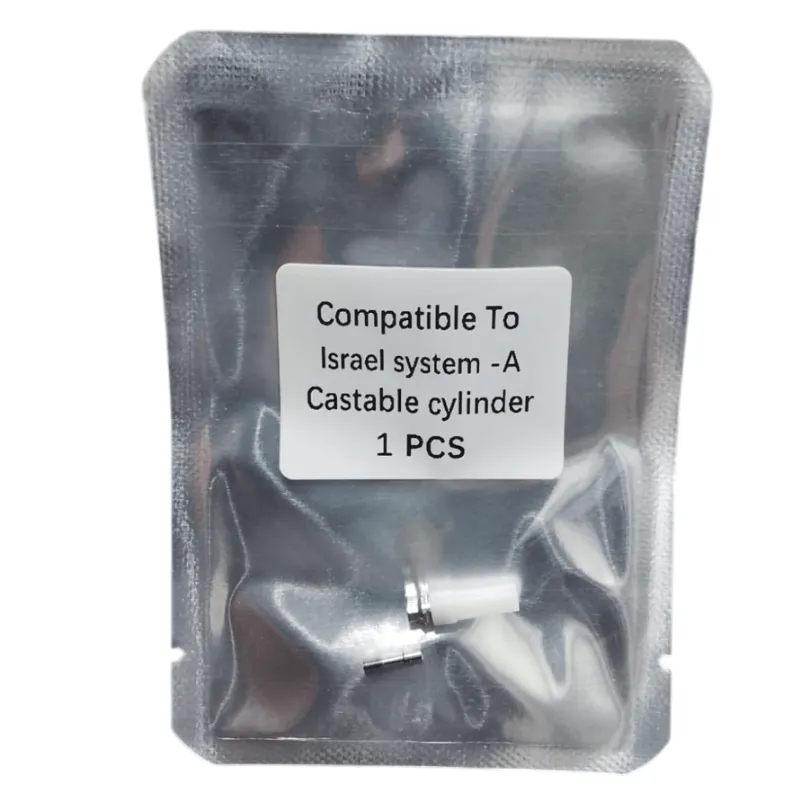

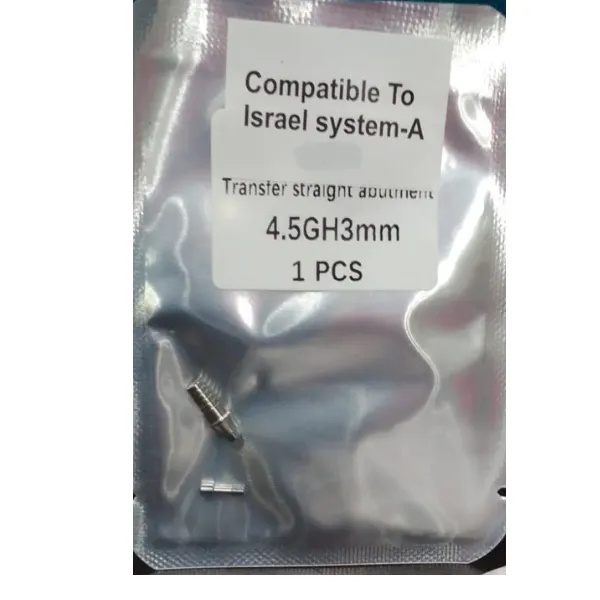
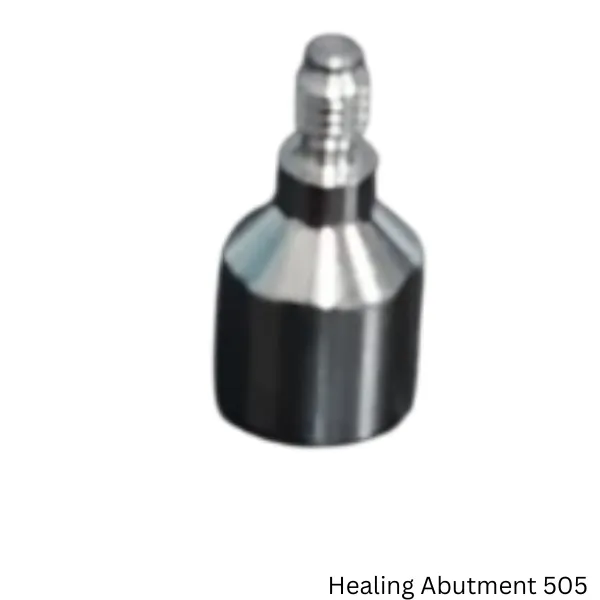
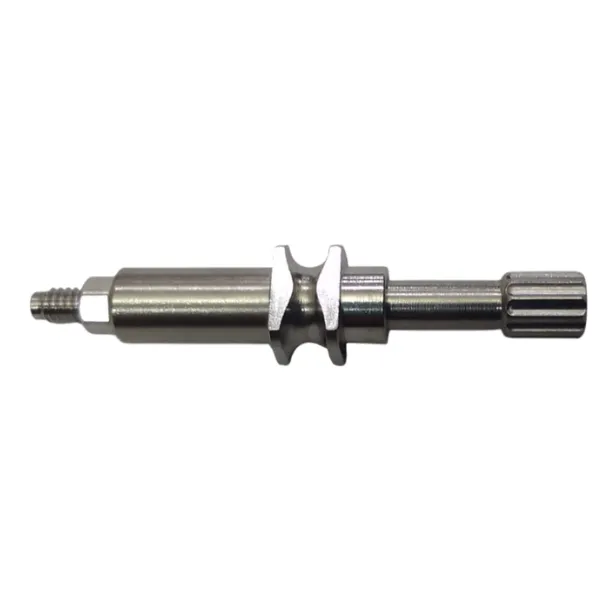

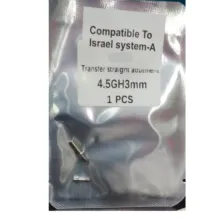
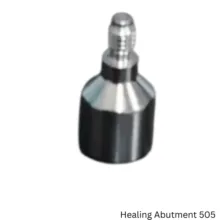
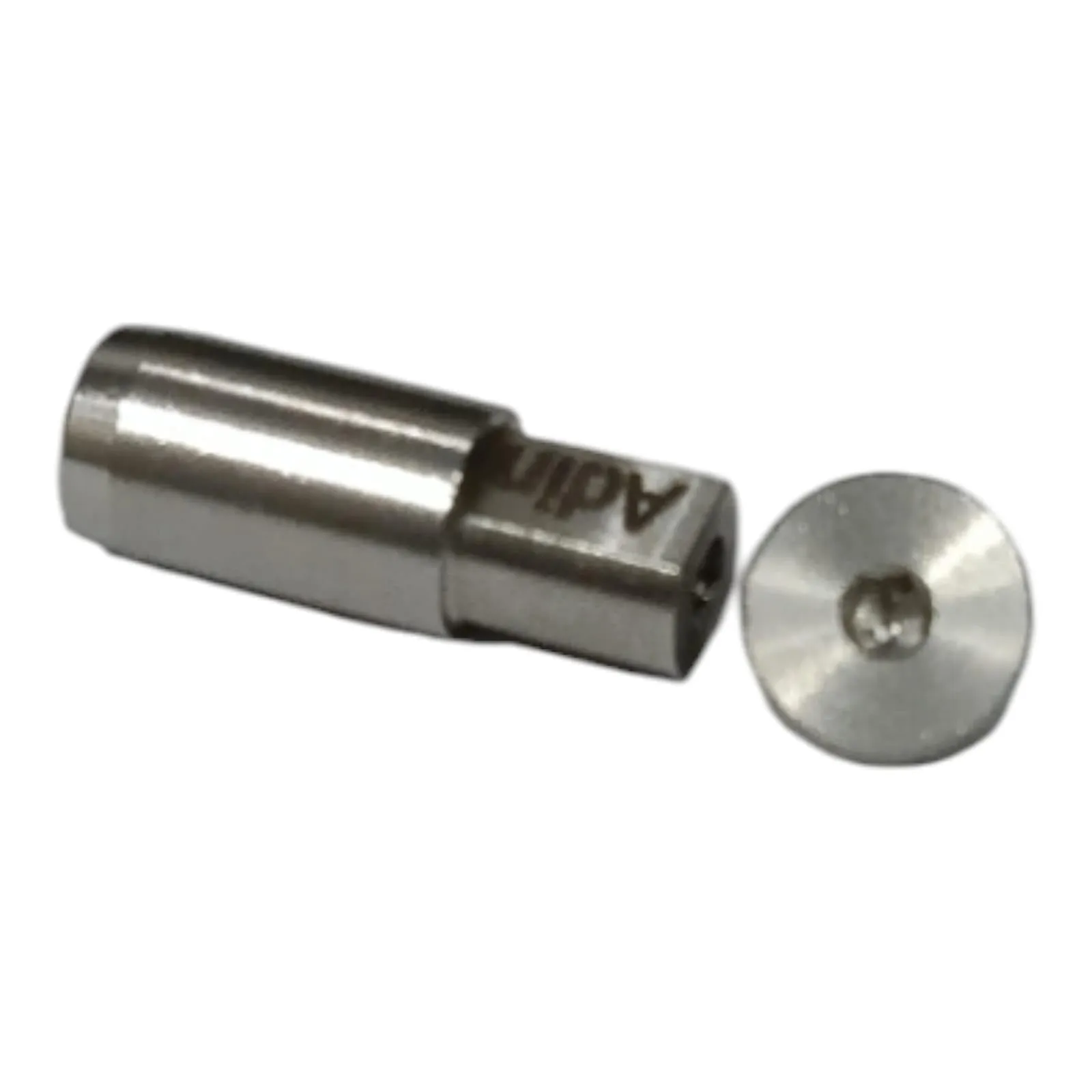
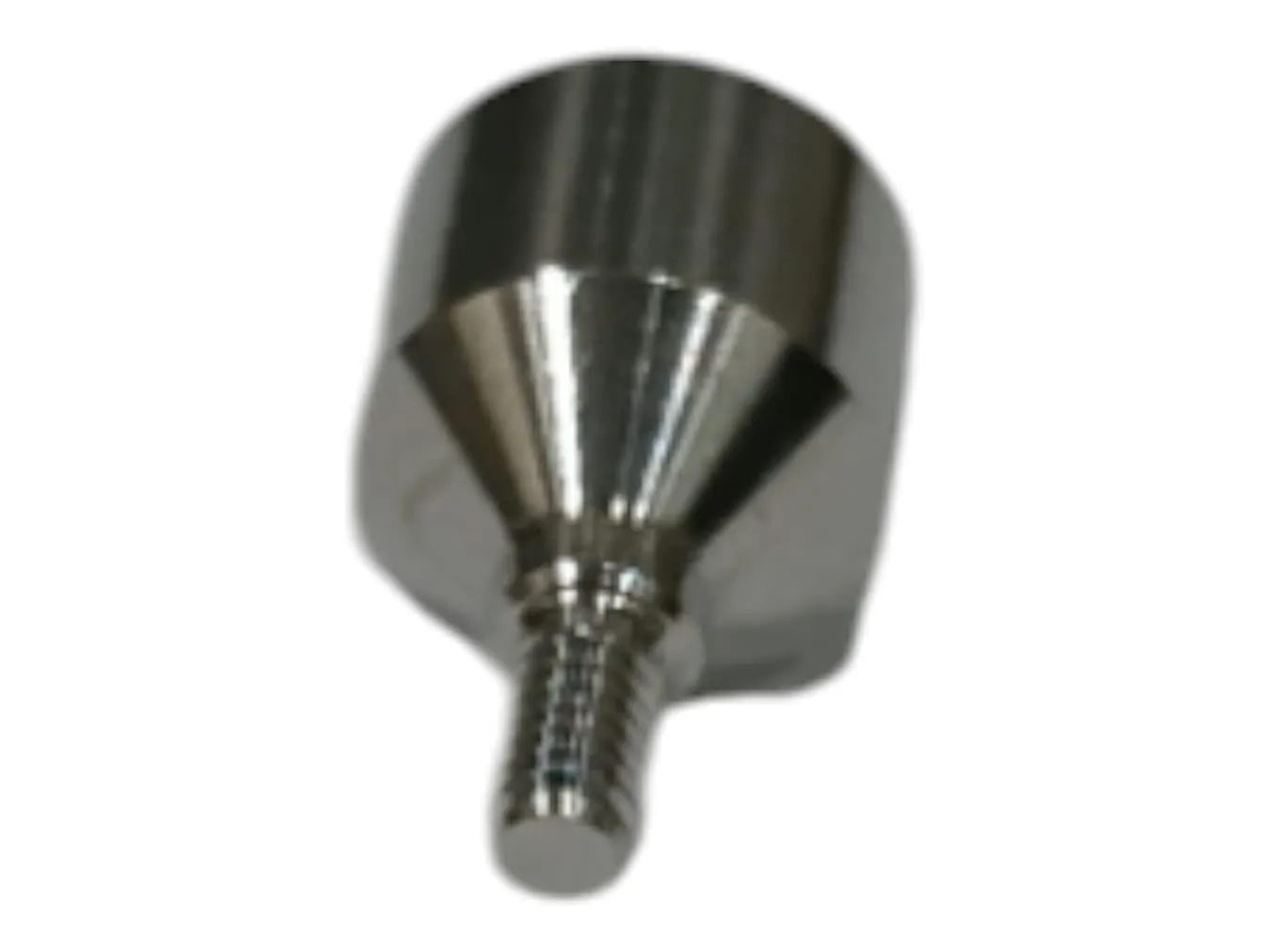
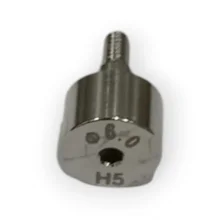
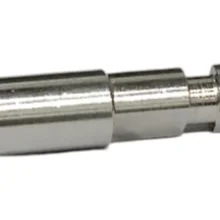
A tray impression post-R compatible to Israeli system is a dental implant prosthetic component used during the impression stage of implant treatment to accurately transfer the position and orientation of a dental implant from the patient’s mouth to a working cast in the dental laboratory. This component, commonly called an impression coping or impression post, is attached to the implant fixture before making the impression. It helps ensure that the dental technician can reproduce the exact three-dimensional position of the implant when fabricating the final prosthesis such as a crown, bridge, or implant-supported denture.
The term tray impression post indicates that the component is used together with an impression tray during the impression procedure. Depending on the technique used by the clinician, the impression coping may function in either an open-tray (pick-up) or closed-tray (transfer) impression method. In the open-tray technique, the impression coping is unscrewed through an opening in the tray after the impression material sets, allowing the coping to be removed along with the tray. In the closed-tray technique, the coping remains in the mouth when the tray is removed and is later repositioned into the impression.
The designation “Post-R” generally refers to a specific type or size of impression post designed for a regular platform implant connection within a particular implant system. The letter “R” typically indicates the regular platform diameter, which must correspond to the implant fixture placed in the patient’s bone. Using the correct platform size is essential to achieve an accurate transfer of the implant position and to ensure compatibility with prosthetic components.
The phrase “compatible to Israeli system” indicates that the impression post is designed to fit implant systems developed by Israeli manufacturers. Israel is known for producing several widely used dental implant systems, including those manufactured by MIS Implants Technologies, Alpha-Bio Tec, AB Dental Devices, and Adin Dental Implant Systems. These companies use specific implant connections and platform sizes, so compatible prosthetic components are manufactured to match those designs.
During the clinical procedure, the tray impression post is secured to the implant using a fixation screw. An impression material, commonly polyvinyl siloxane or polyether, is then placed in the tray and positioned in the patient’s mouth. After the material sets, the coping transfers the implant’s exact location into the impression. An implant analog is later attached to the coping within the impression, allowing a dental stone model to be poured in the laboratory. This model accurately replicates the implant’s position, enabling the technician to fabricate a precisely fitting implant prosthesis.
Reviews
There are no reviews yet.